What to Know About Mississauga top Windshield Repair for Quality Repairs
Dependable Windshield Restoration Services for Safe and Clear Driving
Expert windshield assistance represent a key element in facilitating secure and unobstructed driving. Immediate attention to cracks and damage will circumvent mounting deterioration and sustain vehicle stability. Seasoned technicians leverage state-of-the-art methods, frequently delivering timely completion. Still, ascertaining when professional help is needed and navigating the process might prove intricate. This surfaces important considerations around protection and excellence. What considerations could vehicle operators review when appointing a service partner?
What Situations Necessitate Contacting Windshield Repair Professional Assistance?
When might one think about consider seeking windshield repair services? This question often transpires when drivers notice deterioration, such as chips or cracks, on their windshields. A swift response is essential; holding off on maintenance can aggravate current damage. Factors shaping the decision include the breadth and spot of the damage. Small chips found away from the driver's line of sight may look less critical, yet even minor imperfections can undermine the structural integrity of the windshield. Additionally, climate conditions, such as temperature fluctuations and moisture, can deepen fractures go to article over time. Drivers should also consider the potential influence on visibility and safety while driving. Moreover, many insurance policies cover windshield repairs, making it a economically wise option. Ultimately, getting professional repair services promptly can establish secure driving conditions and boost the lifespan of the windshield. Recognizing these factors can help individuals form intelligent conclusions regarding windshield maintenance.
Indications You Need Vehicle Glass Repair Urgently
Recognizing the signs that demonstrate an urgent need for windshield repair is crucial for safety. Fractures or nicks, impaired visibility while navigating, and damaged structural stability can substantially impact a automobile's operation. Managing these issues without delay can prevent additional harm and ensure protected driving circumstances.
Fractures or Chips Noticeable
Visible cracks or chips in a windshield often signal an immediate requirement for fixing. These defects can compromise the physical strength of the glass, making it more vulnerable to further damage. Even small chips can grow due to fluctuations in temperature or vibrations from the road, transforming into larger cracks that may obstruct the driver's view. Additionally, fractures can compromise the windshield, raising the danger of breaking during a impact. It is recommended for vehicle owners to tackle these issues quickly, as neglecting fixes can lead to costly new windshields and safety hazards. Frequent checks, particularly following adverse weather or road debris incidents, can help identify these problems promptly and guarantee secure operation of the vehicle.
Poor Visibility When Driving
How can a motorist effectively maneuver the street with impaired visibility? The answer lies in recognizing the signs that show a need for immediate windshield repair. When a motorist encounters glare from the sunlight or headlights bouncing off damage, it can greatly impair their ability to see the path clearly. Additionally, if rainwater collects in cracks or chips, it may blur vision, creating dangerous driving conditions.
Drivers should remain vigilant to the presence of streaks or smudges that cannot be wiped away, as these can further obscure visibility. Timely maintenance of any windshield damage is critical; ignoring these indicators not only jeopardizes safety but also boosts the probability of greater repair needs needed later.
Damaged Structural Stability
When a windshield sustains deterioration, the structural robustness of the vehicle can be weakened, creating serious safety risks. The windshield holds an essential role in upholding the vehicle's comprehensive durability, especially during collisions. Fractures or dents can weaken this protective wall, rendering the vehicle less capable of resisting force. Markers indicating urgent service include obvious breaks spreading across the windshield, substantial damage areas, or any distortion affecting the driver's visual range. Likewise, if the windshield feels loose or if moisture penetrates the interior, these signal deeper issues. Immediate action regarding these signs is necessary to protect occupants and verify that the vehicle can operate normally in an accident, securing occupant welfare.
What Happens During a Windshield Repair?
Throughout a windshield repair, repair specialists examine the damage initially to gauge its severity and determine the fitting repair method. Following the inspection, the repair process comprises several steps to restore the structural integrity of the glass. To conclude, a final quality control check confirms that the fix meets safety standards and preserves visibility.
Examination of Harm
An exhaustive evaluation of harm is a essential preliminary step in the windshield repair process. Technicians analyze the windshield intently to assess the breadth and form of the harm. They look for cracks, chips, and any markers of fragmentation to determine if the windshield can be mended or requires replacement. This evaluation comprises measuring the size and depth of the damage, along with its location. Factors such as proximity to the edges and the driver's line of sight are also considered. In addition, the technician looks for for any concealed issues that might influence the repair, such as moisture or debris within the cracks. This scrupulous inspection guarantees that the subsequent repair process is both effective and safe.
Repair Process Phases
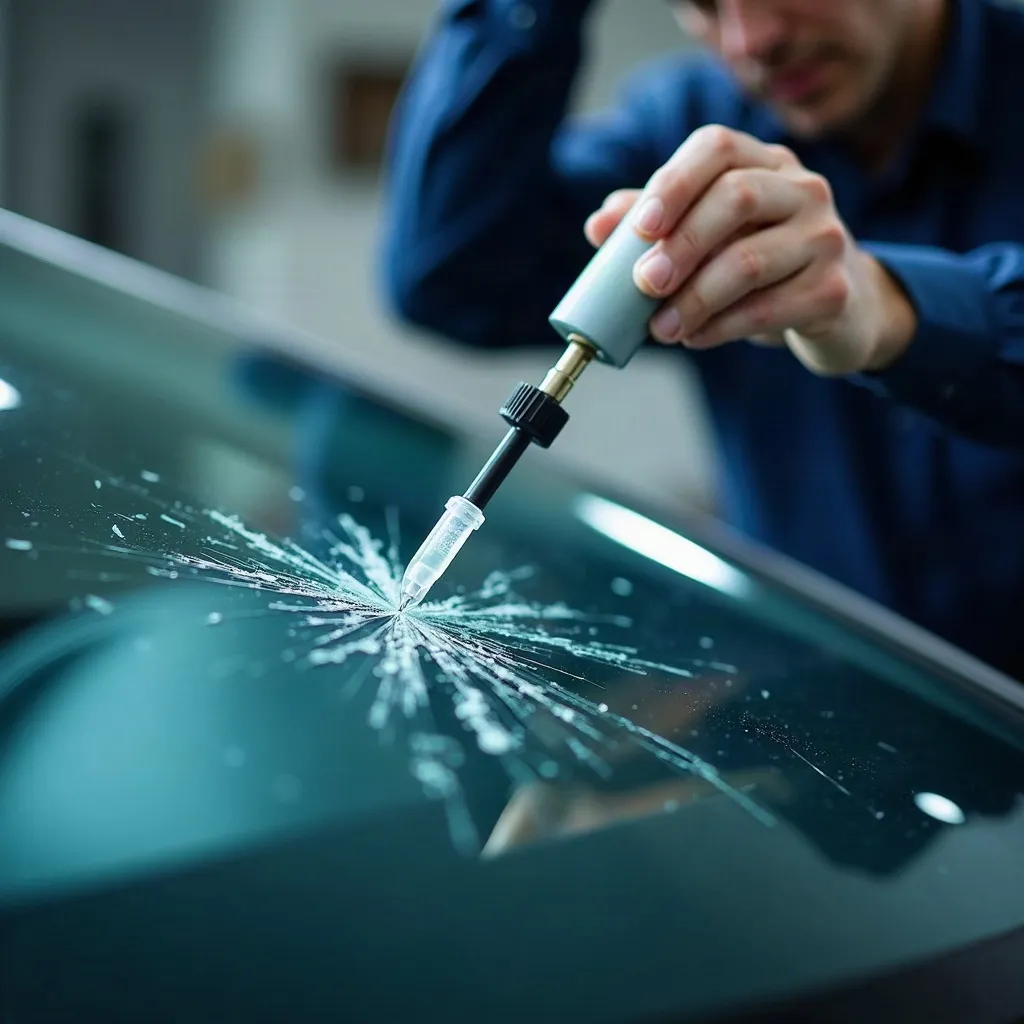
The windshield repair process proceeds in a systematic way, commencing with the technician preparing the damaged area. This includes washing the surface to remove dirt and debris, ensuring a strong bond. Subsequently, the technician checks the size and depth of the damage, deciding on the appropriate repair technique. They then inject a special resin into the crack or chip, filling it entirely to restore the structure's integrity. The resin is cured by exposure to ultraviolet light, which sets it and renders it transparent, blending with the existing glass. After curing, the technician gently removes any extra resin and polishes the surface to achieve a smooth finish. This careful process aims to boost visibility and maintain vehicle safety while minimizing additional damage.
Post-Repair Inspection
After the repair process, the technician conducts a thorough post-repair quality check to verify the structural soundness and transparency of the windshield. This step involves examining the repaired area for any imperfections or air pockets that may compromise visibility. The technician examines the adhesive bond to verify it has set correctly, delivering structural support. Additionally, they may use specialized tools to evaluate the repair's effectiveness, ensuring that it adheres to industry standards. The technician also verifies the positioning of the windshield, confirming it is correctly positioned within the frame. Finally, they may clean the glass surface, eliminating any residue or streaks, which improves clarity. This meticulous quality check is crucial for driver safety and guarantees customer satisfaction with the repair.
Why Skilled Windshield Fix Is More Advantageous Than DIY
Why choose a DIY approach for windshield repair when expert technicians deliver accuracy and skill? Professionals have specialized training and experience that enable them to evaluate and tackle various types of damage effectively. Unlike DIY techniques, which may utilize trial and error, skilled technicians leverage state-of-the-art equipment and methods to restore the windshield's clarity and structural strength.
Additionally, skilled restorations often include warranties, delivering confidence that DIY solutions lack. The risk of faulty repair is significant; an poorly fixed windshield can jeopardize safety while on the road and result in further deterioration. Moreover, experts adhere to industry guidelines, ensuring the restoration complies with safety codes.
In contrast, DIY repairs can inadvertently exacerbate the damage or create new issues, resulting in costly substitutions. Ultimately, opting for professional windshield repair is a wise choice, ensuring safety and clarity while driving.
How to Pick a Reliable Windshield Repair Company
What approach works best to locate a reliable windshield repair provider? First, people should request recommendations from friends, family, or online reviews. A provider with favorable reviews and excellent scores often shows dependability and superior service. Next, verifying qualifications and certifications is vital; service providers should be licensed by organizations such as the National Windshield Repair Association.
Moreover, transparency in pricing and service offerings helps build trust. A trustworthy provider will offer a detailed estimate without hidden fees. It's also beneficial to inquire about the kinds of materials used, as premium adhesives and glass can impact safety and durability.
Ultimately, evaluate the provider's warranty on repairs, which demonstrates trust in their work. By following these steps, individuals can make informed decisions, guaranteeing they choose a provider who emphasizes customer satisfaction and safety.
What to Expect When Your Windshield Gets Repaired?
When a windshield repair is scheduled, the car owner can expect a straightforward process that prioritizes speed and protection. First, a expert examines the damage, assessing whether a restoration is feasible or if a new windshield is necessary. This assessment involves checking the extent and placement of the fracture or crack, confirming it won't block the driver's sight.
After being determined repairable, the technician readies the area by wiping it and coating a special resin. This resin is pumped into the damaged section, successfully closing it and restoring structural integrity. The process typically takes about 30 minutes to an hour, based on the damage extent.
After the repair, the technician may provide guidance on what to circumvent at once, such as drastic temperature fluctuations. Overall, the process aims to reduce inconvenience while assuring the vehicle is safe for continuous use. The result is a more transparent and safer glass, improving the road experience.
Looking After Your Windshield Following-Restoration
It is important to maintain the integrity of the repair after a windshield repair for long-term safety and visibility. To ensure peak performance, the vehicle owner should avoid strong detergent chemicals and coarse materials, as these may damage the repaired area. Using mild soap and water with a soft cloth is encouraged for regular cleaning.
Moreover, it is recommended to wait at least 24 hours before subjecting the windshield to intense weather. This allows the bonding agent to harden completely. Frequently inspecting the windshield for any indications of damage is also important; immediate care to damage spots can prevent further issues.
In the end, parking in sheltered spots can reduce thermal impact on the glass, preserving the repair. By sticking to these recommendations, drivers can maintain their windshield's transparency and durability, fostering a more protected driving experience.
Frequently Asked Questions
How long Does a Standard Windshield Repair Take?
A conventional windshield restoration lasts about 30 to 60 minutes. Influences affecting how long the repair takes involve the size and location of the deterioration, as well as the expert's experience and the specific restoration approaches leveraged.
Will My Insurance Cover Windshield Damage Repair Costs?
Coverage protection for windshield repair costs varies by policy. Many insurers include this benefit, often with no out-of-pocket expense. It is recommended for people to check with their insurance company for detailed details regarding their coverage.
Can I Travel My Vehicle After a Windshield Repair?
Following windshield restoration, it is usually safe to pilot the vehicle. However, it's prudent to give the adhesive time to solidify, normally at least an hour, confirming proper bonding and safety while driving.
What Kinds of Harm Can Be Fixed?
Windshield damage that is able to be repaired contains small chips, cracks up to a specific length, and star breaks. Repairs are ordinarily workable if the damage is within the driver's line of sight and not extensive.
What Steps Can I Take to Prevent Windshield Deterioration Going Forward?
To reduce future windshield damage, maintain proper distance from other vehicles, avoid driving on unpaved roads, frequently check for chips, and position your vehicle in shaded spots to reduce temperature changes that can damage the glass.